
• Sign Up | Log In
  • Blog
  • Checkout
Backyard Garden Store
Backyard
Garden Store
  • Patio Furniture & Accessories
  • Decorations
  • Festive & Party Supplies
  • Outdoor Storage
  • Gardening & Lawn Care
  • Outdoor Lighting
  • Outdoor Heating & Cooling
  • Outdoor Power Tools
  • Grills & Outdoor Cooking
  • Birds, Bees & Wildlife
  • Patio Furniture & Accessories
  • Decorations
  • Festive & Party Supplies
  • Outdoor Storage
  • Gardening & Lawn Care
  • Outdoor Lighting
  • Outdoor Heating & Cooling
  • Outdoor Power Tools
  • Grills & Outdoor Cooking
  • Birds, Bees & Wildlife

Shop By Category:

  • Patio Furniture & Accessories
  • Decorations
  • Festive & Party Supplies
  • Outdoor Storage
  • Gardening & Lawn Care
  • Outdoor Lighting
  • Outdoor Heating & Cooling
  • Outdoor Power Tools
  • Grills & Outdoor Cooking
  • Birds, Bees & Wildlife
Home > Blog > Seed Snails: The Clever Little Roll That Helps Seeds Sprout 🌱

Seed Snails: The Clever Little Roll That Helps Seeds Sprout 🌱

Seed Snails: The Clever Little Roll That Helps Seeds Sprout 🌱
February 16th, 2026

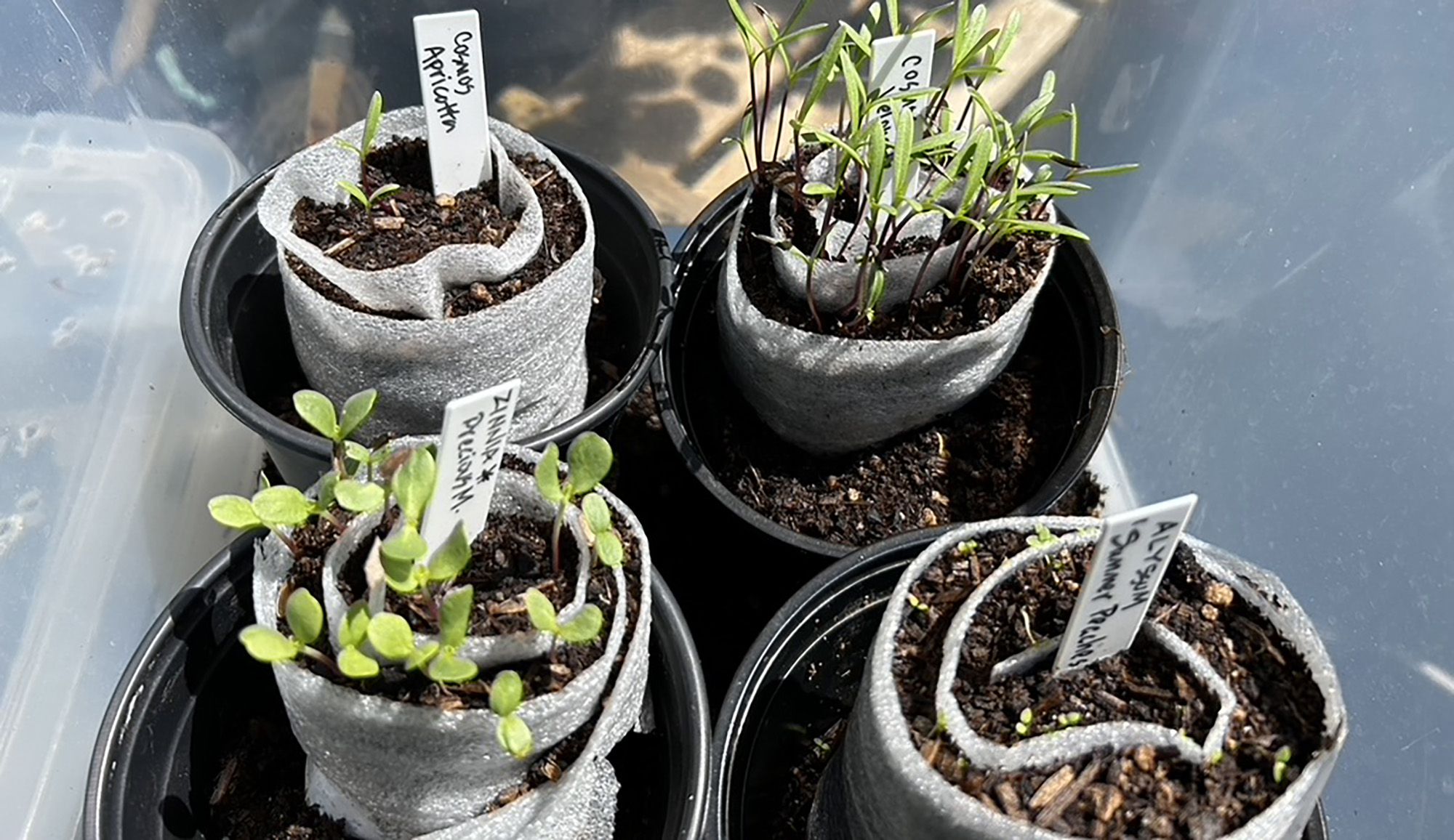
A seed snail is not a garden pest at all. It is actually a charming and practical seed-starting method where soil and seeds are rolled into a spiral, creating a compact “snail shell” that helps seedlings sprout efficiently. Think of it as a tiny nursery wrapped into a cinnamon-roll shape, except instead of frosting, you get roots and leaves.

Gardeners love seed snails because they save space, reduce mess, and make transplanting easier. Whether you are starting vegetables, herbs, or flowers, this method turns seed starting into something both organized and oddly satisfying.


What Is a Seed Snail?

A seed snail is created by spreading a thin layer of potting soil onto a flexible strip of material, placing seeds along one edge, and then rolling the strip into a spiral. The roll is stood upright in a shallow container so the seeds can germinate vertically.

Because the layers are thin and contained, roots grow downward without tangling as much as they might in crowded starter trays. The spiral shape also allows you to fit many seedlings into a small footprint, which is perfect for windowsills or small grow areas.


Why Gardeners Use Seed Snails

Space Saving
A single snail can hold dozens of seeds while taking up the space of a small cup. Ideal for apartment gardeners or anyone with limited indoor light.

Easy Monitoring
You can unroll the snail gently to check moisture levels or root growth without disturbing neighboring seedlings too much.

Simple Transplanting
When seedlings are ready, you just unroll and lift each one out individually. No wrestling with plastic cell trays or root-bound tangles.

Cost Effective
Seed snails can be made from recycled plastic bags, shelf liner, or even sturdy paper towels, making them budget friendly.


How to Make a Seed Snail

Materials

  • Flexible strip of plastic, parchment, or shelf liner

  • Potting soil or seed-starting mix

  • Seeds of your choice

  • Spray bottle with water

  • Shallow tray or container

  • Rubber band or string

Steps

  1. Lay Out the Strip
    Place your strip flat on a table. A width of about 4 to 6 inches works well for most seeds.

  2. Add Soil
    Spread a thin, even layer of damp seed-starting mix across the surface.

  3. Place Seeds
    Line seeds along one long edge, leaving small gaps based on seed spacing guidelines.

  4. Roll Gently
    Starting from the seeded edge, roll the strip into a loose spiral.

  5. Secure the Roll
    Use a rubber band or string to hold the shape.

  6. Stand Upright
    Place the snail in a shallow tray with a little water at the bottom.

  7. Mist and Wait
    Lightly mist the top and place near sunlight or under grow lights.

Within days, tiny green shoots often peek out from the top like a miniature forest rising from a paper volcano.


Tips for Success

  • Use light, fine seed-starting mix instead of heavy garden soil.

  • Do not overwater. The snail should be moist, not soggy.

  • Label each snail if you are growing multiple plant types.

  • Once seedlings develop true leaves, plan to transplant fairly soon so roots have room to expand.


Seed snails are part gardening hack, part craft project, and part quiet miracle. They turn a handful of dirt and a strip of plastic into a spiral of possibility, where every loop holds the promise of tomatoes, basil, zinnias, or whatever green dream you decide to tuck inside.

Secure Payments

Information

  • About Us
  • Contact Us
  • Shipping & Returns
  • Privacy Policy
  • Terms & Conditions

My Account

  • My Account
  • Order History
  • Track Orders
  • Address Book

Connect With Us

  • Twitter
  • Facebook
  • Pinterest
  • Instagram
  • Youtube
Backyard Garden Store
© Backyard Garden Store. All Rights Reserved.
Our website uses cookies to make your browsing experience better. By using our site you agree to our use of cookies. Learn More I Agree
× What Are Cookies As is common practice with almost all professional websites this site uses cookies, which are tiny files that are downloaded to your computer, to improve your experience. This page describes what information they gather, how we use it and why we sometimes need to store these cookies. We will also share how you can prevent these cookies from being stored however this may downgrade or 'break' certain elements of the sites functionality. For more general information on cookies see the Wikipedia article on HTTP Cookies. How We Use Cookies We use cookies for a variety of reasons detailed below. Unfortunately in most cases there are no industry standard options for disabling cookies without completely disabling the functionality and features they add to this site. It is recommended that you leave on all cookies if you are not sure whether you need them or not in case they are used to provide a service that you use. Disabling Cookies You can prevent the setting of cookies by adjusting the settings on your browser (see your browser Help for how to do this). Be aware that disabling cookies will affect the functionality of this and many other websites that you visit. Disabling cookies will usually result in also disabling certain functionality and features of the this site. Therefore it is recommended that you do not disable cookies. The Cookies We Set
Account related cookies If you create an account with us then we will use cookies for the management of the signup process and general administration. These cookies will usually be deleted when you log out however in some cases they may remain afterwards to remember your site preferences when logged out. Login related cookies We use cookies when you are logged in so that we can remember this fact. This prevents you from having to log in every single time you visit a new page. These cookies are typically removed or cleared when you log out to ensure that you can only access restricted features and areas when logged in. Form related cookies When you submit data to through a form such as those found on contact pages or comment forms cookies may be set to remember your user details for future correspondence. Site preference cookies In order to provide you with a great experience on this site we provide the functionality to set your preferences for how this site runs when you use it. In order to remember your preferences we need to set cookies so that this information can be called whenever you interact with a page is affected by your preferences.
Third Party Cookies In some special cases we also use cookies provided by trusted third parties. The following section details which third party cookies you might encounter through this site.
This site uses Google Analytics which is one of the most widespread and trusted analytics solution on the web for helping us to understand how you use the site and ways that we can improve your experience. These cookies may track things such as how long you spend on the site and the pages that you visit so we can continue to produce engaging content. For more information on Google Analytics cookies, see the official Google Analytics page. We also use social media buttons and/or plugins on this site that allow you to connect with social network in various ways. For these to work, the social networks may set cookies through our site which may be used to enhance your profile on their site, or contribute to other purposes outlined in their respective privacy policies.